
Why Are Persian Handwoven Rugs Considered Illegal? Facts and Solutions

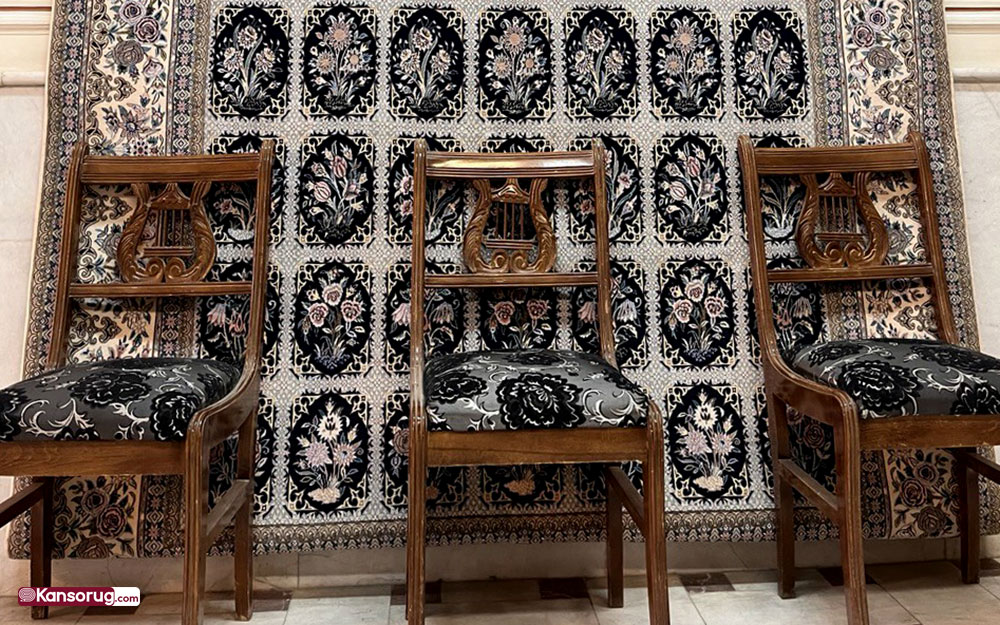
The finest handmade carpets globally come from countries like Turkey, Iran, Afghanistan, and Pakistan. Yet, Iran stands out for producing the best handmade rugs for two key reasons: its rich historical legacy and unmatched craftsmanship. Persian carpets, with their centuries-old heritage and reputation as some of the finest antique rugs, are synonymous with quality and artistry. They are celebrated for their exceptional finesse, superior quality, and impressive range that spans from everyday designs to luxurious masterpieces, consistently satisfying buyers across markets. So Why Are Persian Handwoven Rugs Considered Illegal? What are the Facts and Solutions
Persian rugs are renowned for their intricate patterns, unparalleled beauty, and enduring durability, which have made them the top choice for collectors and enthusiasts. It’s no surprise that discerning buyers always recommend Persian rugs for their elegant designs, unmatched quality, and commitment to authenticity. Simply put, when comparing a handmade Turkish rug to a Persian one, any buyer can immediately discern the superior craftsmanship and intricate patterns of a Persian carpet at first glance.
But Are Persian Rugs Legal?
While the import of Persian rugs is restricted through certain customs routes and official channels—primarily in the United States—many buyers worldwide continue to purchase and order Persian carpets without any concerns. For buyers requesting a small number of rugs or those living outside the United States, there are no limitations at all. A significant number of Persian rugs are bought and sold daily within the U.S., despite the import restrictions.. So why do some people mistakenly believe that Persian rugs are illegal? Why are Persian rugs illegal in America? Is Persian carpets legal? Why is the Persian carpet sanctioned? Are Persian carpets really expensive? Are expensive Persian rugs?
In this article, we aim to debunk these misconceptions and show you just how accessible owning a Persian handmade rug truly is.
Why Were Handmade Persian Carpets Banned by the US?
The sanctions imposed by the United States on Iran were not specifically directed at the handmade carpet industry but were part of broader economic measures aimed at pressuring the Iranian government. These sanctions targeted a wide array of sectors, including oil and gas exports, banking and financial services, trade restrictions, and bans on providing technology and services like international insurance. Unfortunately, cultural and artistic exports—such as tourism and handicrafts, including Persian rugs—became unintended casualties of these measures. This has dealt a heavy blow not only to the livelihoods of artisans but also to Iran’s rich cultural heritage.
The story of sanctions on Persian carpets began in 2010 when the United States reinstated a ban on importing Iranian-made rugs. However, in 2015, Iran struck a nuclear agreement with world powers, which significantly reduced and diluted its stockpile of enriched uranium. This agreement brought a reprieve to the industry, allowing the trade of Persian carpets to resume and revitalizing an essential part of Iran’s economy and culture.
This resurgence was short-lived. In 2018, then-President Donald Trump unilaterally withdrew the United States from the nuclear deal, reimposing a host of sanctions. For Iranian carpet weavers, this meant the loss of access to a critical export market. Before these sanctions, the annual value of Iranian rug exports to the U.S. had reached as high as $80 million (€74.3 million), providing a vital lifeline for countless artisans.
Sanctions on oil, banking, trade, and technology often dominate discussions, but the effects on the cultural and tourism sectors are profound and, in some cases, irreparable. Persian carpets are more than just products; they are pieces of art and culture, with Iranian handwoven rugs proudly listed as part of UNESCO’s Intangible Cultural Heritage. This recognition underscores their global significance. Yet, the harsh economic conditions caused by sanctions have forced many weavers to abandon their craft, finding alternative work as weaving and selling carpets have become economically unsustainable.
Why Are Handmade Persian Carpets So Important?
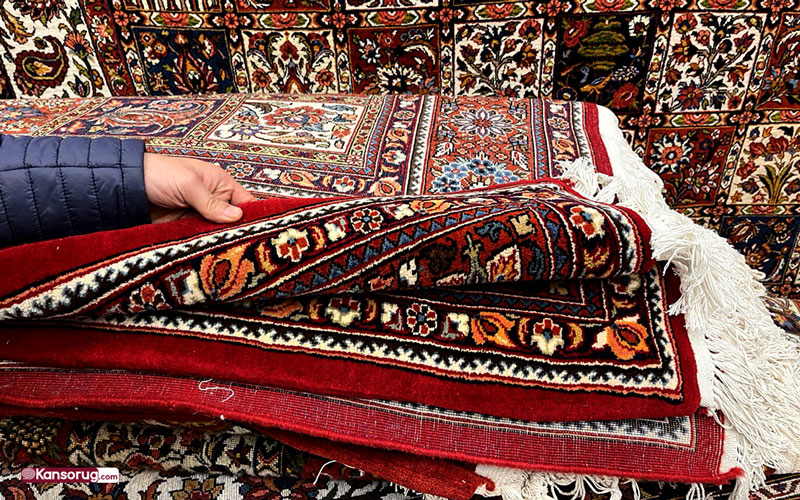
Why are Persian rugs so expensive? Or perhaps, why are they considered the best carpets in the world?
Beyond the long history of carpet weaving in Persia (modern-day Iran), Persian handwoven carpets have been the finest in the world for several centuries. Of course, handmade carpets from Iran are not limited to Persian rugs—they also include Kilims, Jajims, Gabbers, and the vibrant works of nomadic tribes such as the Qashqai. But these questions about the value and prestige of Persian rugs are often best answered by those who own one in their home.
Interestingly, many of my customers first encountered handmade Persian rugs in a friend's house, a local store, or while traveling to Middle Eastern countries. These encounters revealed the brilliance of Persian carpet design, the quality of their weaving, and the authenticity that draws people to these extraordinary pieces of art. The premium nature of Persian rugs is not just about their reputation. Just as one would expect to find the best perfumes in France or the finest clothing designed in Italy, the best handmade carpets come from Persia.
However, Persia’s artistry extends beyond carpets—it is also the land of saffron, khātam-kāri (inlaid woodwork), minā-kāri (enameled crafts), and countless other handmade treasures, all of which create some of the most extraordinary experiences in the world. I highly recommend visiting the traditional bazaars in Iranian cities to see these crafts up close.
Simply put, Persian carpets are celebrated for their unmatched beauty, unique designs, and dedication to weaving quality. The variety of patterns, weaving techniques, and price ranges—from the most luxurious to more affordable options—is so vast that anyone can find the perfect carpet, regardless of budget.
The softness and elegance of Persian carpets can transport you into the tales of ancient legends or the magical world of One Thousand and One Nights. These masterpieces are more than just carpets—they are timeless works of art, blending culture, craftsmanship, and heritage into every thread.
How to Buy a Persian Rug: Facts and Strategies
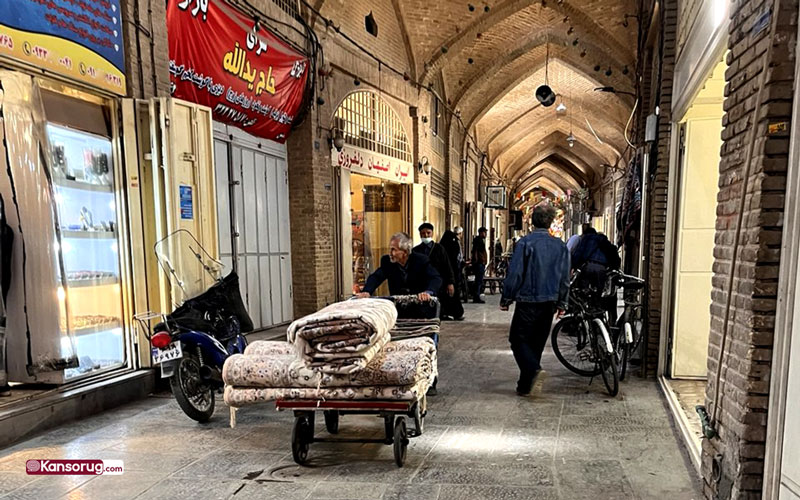
Drawing from years of experience, I can confidently say that buying a Persian handmade carpet is simpler than you might think. These timeless pieces of art continue to adorn homes across the globe, adding unparalleled beauty and charm. To help you navigate the process, here are three practical strategies for purchasing a Persian rug, based on my insights:
1. Explore Local and Online Options in Your Country
While Persian handmade rugs face official import restrictions only in the United States (since 2018), they are legally imported and sold in most other countries, including those in the Middle East, Europe, and North and South America.
Even in the U.S., many stores still carry Persian rugs, likely imported before the sanctions or through alternate legal channels. Here's what to do:
- Compare prices across local carpet stores and online platforms to find the best deal.
- Be mindful of additional costs such as customs duties, taxes, and retailer overheads, which may vary significantly.
- Always verify the origin of the rug to ensure it is authentically Persian, ideally from Iran (historically known as Persia).
2. Shop in the Middle East for Better Prices
Countries like Iran, the UAE, Bahrain, and Qatar are excellent places to buy Persian rugs. Due to their proximity to Iran, rugs in these regions are often more affordable. If you’re traveling to the Middle East:
- Visit reputable Persian carpet stores and ensure you're buying from trusted sellers to avoid counterfeits or machine-made rugs.
- Look for Iranian merchants, who are more likely to sell authentic products.
This option combines cultural exploration with a more budget-friendly shopping experience.
3. Buy Persian Rugs From Iran
One of the most rewarding ways to purchase a Persian rug is to source it directly from Iran. Thanks to advancements in technology and online platforms, this has become easier than ever:
- Online Shopping: Many Iranian vendors now operate on platforms like Instagram, Facebook, or dedicated e-commerce sites. You can browse their collections and have your chosen rug shipped directly to your doorstep.
- Via Travelers or Assistants: If you know someone traveling to Iran, they could bring the rug back for you.
- Through Trusted Sellers Like Us: It may be difficult for you to identify and distinguish a real handmade carpet, which is logical, but Persian handmade carpet experts are the best solution. We provide a comprehensive service that includes an oriental rug identifier app, free rug identification, and access to the finest markets in cities like Isfahan, Nain, Kashan, and Qom. You can consult with us via video calls to review and select the best options, ensuring authenticity and quality. We handle everything, from packaging to delivery via cargo, air freight, or postal services, adhering to international regulations.
This method not only guarantees authenticity but also offers a cost-effective solution without intermediary markups, taxes, or customs fees. It's an excellent way to directly support local artisans and preserve the intangible cultural heritage of Persian carpet weaving.
Why Buy Directly from Iran?
Direct purchases of Persian rugs from Iran mirror a global trend toward buying directly from local producers—whether it’s Swiss chocolate, French cheese, or Colombian coffee. This approach offers several benefits:
- Guaranteed Authenticity and Quality: You know exactly where your rug comes from and the craftsmanship behind it.
- Unique Cultural Experience: Purchasing directly connects you with the rich traditions and stories of Iranian artisans.
- Economic Support for Artisans: Direct purchases channel more profit to the weavers, supporting their livelihood and preserving this endangered art form.
- Natural and Sustainable Materials: Persian rugs are crafted using organic dyes and natural fibers, making them a healthier, long-lasting investment for your family and home.
Conclusion
Although official imports of Persian rugs to the U.S. have been restricted since 2018, this has not diminished their global popularity. Thousands of rugs are bought and sold annually in the U.S., while in other parts of the world, they are freely traded without any restrictions.
In answer to the question "Why Are Persian Handwoven Rugs Considered Illegal? Facts and Solutions" direct sourcing from Iran remains the most reliable and affordable method, especially as competitive markets see the rise of counterfeit products. Organizations like the Iran National Carpet Center strictly enforce quality standards, ensuring that Persian rugs maintain their reputation for excellence.
So, whether you’re visiting a local store or reaching out to Iranian vendors online, rest assured that owning a beautiful, timeless Persian rug is entirely within reach. Take the plunge and experience the unparalleled artistry and elegance of Persian handmade carpets.
Thanks, very helpful for me
Thanks. it was very useful for me
Dear Sir :
Could you give me an idea what is the medium price of a Tabriz ( cork wool and silk ) 60 RAJ with thr measure 400×300cm in Iran?
Kind Regards
Alberto Mendes
Hi. We have replied to you via email